
Disclosure: As an Amazon Associate I earn from qualifying purchases. How this site works
Where to Buy a Nonstick Pan
Each category below links to current listings on Amazon (opens in a new tab). Use this checklist to compare nonstick pans before you buy.
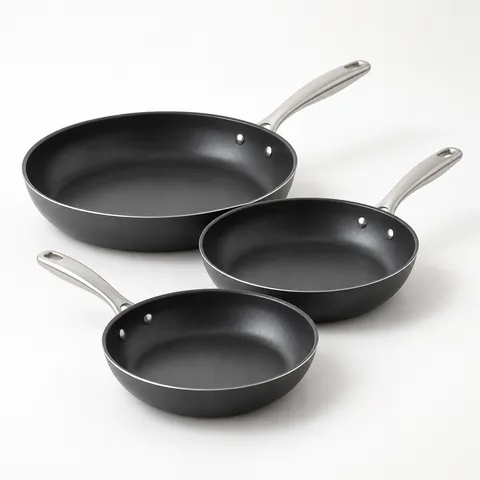 PTFE nonstick pans
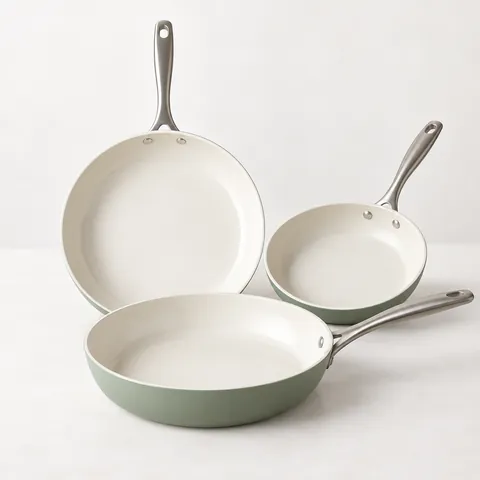 Ceramic nonstick pans
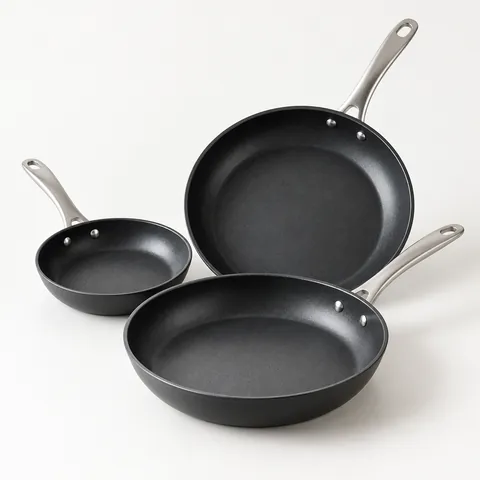 Induction nonstick pans
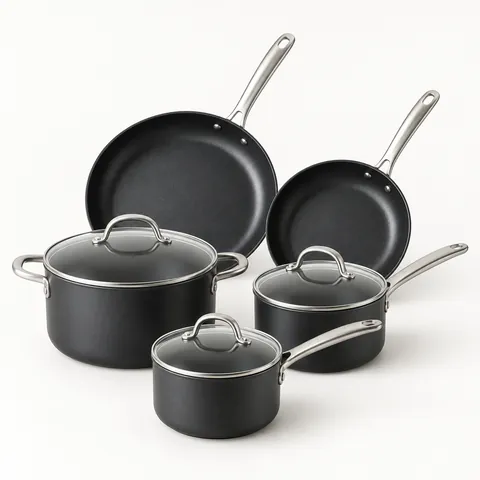 Nonstick sets
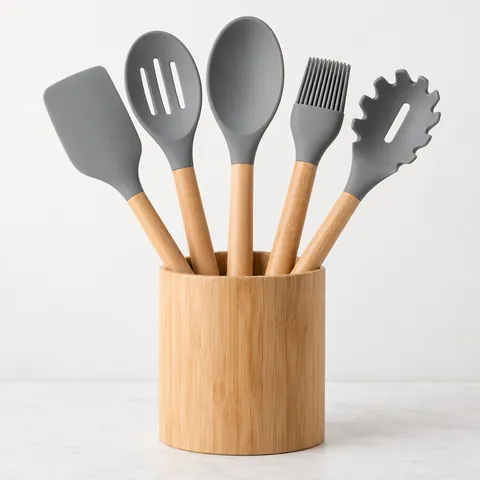 Silicone and wooden utensils
Before you buy
- Coating type (PTFE or ceramic).
- Base thickness and weight.
- Induction compatibility if needed.
- Oven-safe temperature including handle.
- Warranty and returns.
Categories referenced on this site
- PTFE nonstick pans
- Ceramic nonstick pans
- Induction nonstick pans
- Nonstick sets
- Silicone and wooden utensils
In store
Lift the pan to feel the weight and balance, and check that the base sits flat on a counter.
Is it better to buy a nonstick pan online or in a store?
Buying online is usually better when you already know the size, coating type, and cooktop requirements you need. You can compare more listings, read the full specification section, and check whether replacement lids or matching pieces are available. It is also easier to filter for PTFE nonstick pans, ceramic nonstick pans, or induction-compatible nonstick pans without walking between stores.
Buying in person is better when weight, handle feel, and rim shape matter to you. A pan can meet every written requirement and still feel awkward if the handle is too narrow, too steep, or too heavy at the far end. If you cook with one hand or often slide food onto a plate, the in-store balance check is useful.
| Buying option | Best for | What to watch |
|---|---|---|
| Online marketplace | Wide selection, quick comparison, replacement or return access | Confirm the seller, shipping timeline, return window, and exact pan size |
| Manufacturer website | Clear product specifications and warranty information | Selection may be limited to that company’s own line |
| Kitchen store | Handling the pan before buying and asking staff basic fit questions | Stock may vary by location and size |
| Big-box or department store | Same-day purchase and easy local returns | The shelf tag may not include every oven or cooktop detail |
| Restaurant supply store | Basic, workhorse pans and practical accessories | Some items may be geared toward commercial kitchens rather than home storage |
How do you compare nonstick pan listings before checkout?
A good listing should answer the questions you would ask if the pan were on a store shelf. Do not rely only on the product title, because titles often combine marketing terms, size claims, and accessory details. Open the full description, specification chart, photos, and return section before adding the pan to your cart.
- Confirm the measured cooking size, not just the rim-to-rim size. A 10-inch pan may have a smaller flat cooking surface depending on the slope of the sides.
- Check the cooktop statement in the specifications. If you use induction, look for a clear induction-compatible note and a magnetic stainless or bonded base.
- Read the oven-safe limit carefully. Some pans are oven safe only to a certain temperature, and some handles or lids have a lower limit than the pan body.
- Look for the handle attachment type. Rivets are common and sturdy, but food can collect around them; rivetless interiors are easier to wipe clean but vary by design.
- Review the included pieces. If a lid, helper handle, or protector is pictured, confirm it is actually included in the item description.
- Scan the care instructions. If the seller says hand wash only, avoid assuming dishwasher cleaning is recommended.
- Check return details before using the pan. Some merchants handle unused returns differently from used returns, especially for cookware with visible wear.
If the listing leaves out a detail that matters to your cooktop or oven use, choose another listing or contact the seller before ordering. A vague listing is not automatically a bad pan, but it makes comparison harder and can lead to the wrong purchase.
What seller details should you check before buying?
The pan itself is only part of the purchase. The seller controls shipping condition, return handling, and sometimes warranty paperwork. Before checkout, confirm that the merchant name is clear and that the return process is reasonable for a bulky kitchen item.
- Prefer listings with complete specifications rather than short descriptions that only repeat the coating name.
- Check whether the item is new, open-box, renewed, or used. For a nonstick surface, new is usually the safest choice because scratches and overheating are not always obvious in photos.
- Look for clear packaging and shipping information if the pan has a glass lid or a long handle that could be bent in transit.
- Keep the receipt or order confirmation until you know the pan sits flat, heats normally, and has no coating defects.
- If the manufacturer warranty matters to you, read the warranty terms before purchase. Some warranties exclude normal wear, misuse, overheating, metal utensils, or commercial use.
Marketplace listings can change sellers over time, so check the seller line on the exact item you are buying, not just the product page you bookmarked earlier. If you are buying as a gift, also verify whether a gift receipt or extended return window is available before the order ships.
Should you buy one pan or a nonstick set?
A single pan is the safer buy if you are replacing a worn skillet or trying a coating type for the first time. Most home cooks use one or two nonstick sizes often and leave specialty pieces in the cabinet. Starting with one pan also lets you learn how the handle, weight, and cleanup fit your routine.
A set can make sense if you are setting up a kitchen, replacing several worn pieces at once, or want matching lids and consistent handles. The trade-off is storage space and redundancy. If a set includes sizes you already own or rarely use, the apparent convenience may not be worth the extra cabinet room.
- Choose one pan if you mainly cook eggs, pancakes, fish, or quick meals for one or two people.
- Consider two sizes if you cook both small breakfasts and larger one-pan meals.
- Consider a set if your current cookware is damaged, mismatched, or missing lids that you actually use.
- Avoid buying a large set only for one specialty piece unless the remaining pieces solve real needs.
- Check whether the set pieces have the same cooktop and oven limitations; lids and handles can vary.
Nonstick pans do not last forever, so it is practical to put your money into the sizes you will use weekly. For many kitchens, one medium skillet plus a larger pan covers more meals than several rarely used pieces.
What should you inspect when the pan arrives?
Inspect the pan before you cook with it, because it is easier to handle shipping damage or the wrong item while the packaging is still available. Remove labels gently and save the box until you are sure the pan is correct.
- Set the pan on a flat counter and check for rocking. A slight manufacturing texture is different from a warped base that will not sit evenly.
- Look across the interior under bright light. The coating should be continuous, with no chips, bubbles, gouges, or bare metal spots.
- Check the rim and outside base for dents that may have happened during shipping.
- Hold the handle and gently test for looseness. Do not try to tighten anything unless the instructions allow it.
- Place the pan on the intended burner to confirm the base size is appropriate and does not crowd nearby controls or burners.
- Wash the pan according to the care instructions before first use, then dry it fully before storing.
If something looks wrong, take photos before using the pan and contact the seller through the stated return channel. Cooking with a damaged pan can make a simple return harder.
Frequently asked questions
Where is the best place to buy a nonstick pan?
The best place depends on what you need to confirm. Buy online if you want the widest selection and can verify the specifications from the listing. Buy in store if handle comfort, weight, and balance are your top concerns.
Can I return a nonstick pan after using it?
Return rules depend on the merchant, the condition of the pan, and the reason for the return. Read the return policy before cooking with it, and keep the packaging until you have inspected the pan. If the pan appears defective, document the issue before first use.
How do I know if a nonstick pan will work on induction?
Look for a clear induction-compatible statement in the product specifications, not just a stainless or aluminum description. Induction pans need a magnetic base, often shown as a bonded or stainless steel plate on the bottom. When in doubt, ask the seller before ordering.
Is it worth buying a nonstick pan set?
A set is worth considering if you need several pieces and will use most of the sizes. If you only need one everyday skillet, a single pan is usually the more focused purchase. Check storage space and included lid sizes before choosing a set.
Should I buy a cheap nonstick pan or a heavier one?
A lighter pan is easier to lift and may be fine for quick eggs or pancakes. A heavier pan often feels more stable and can be less prone to sliding around on the burner, but it may be tiring to handle. Choose the heaviest pan you can comfortably lift, tilt, wash, and store.
Disclosure: As an Amazon Associate I earn from qualifying purchases. This site may earn a commission when you buy through its links, at no extra cost to you. Product details come from public manufacturer information; always check the merchant page for current specifications and prices. We have not hands-on tested the products described here.