
Disclosure: As an Amazon Associate I earn from qualifying purchases. How this site works
Nonstick Pan Care
Heat and abrasion are the main enemies.
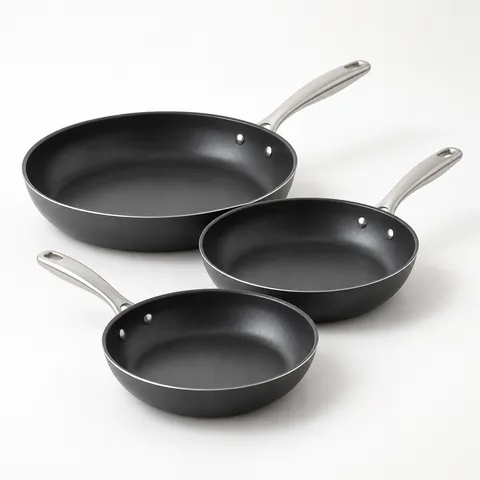 PTFE nonstick pans
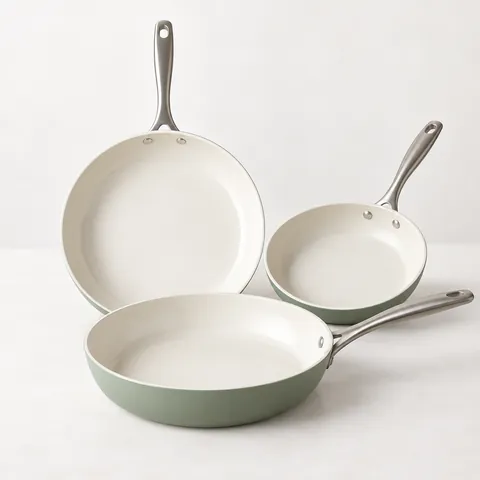 Ceramic nonstick pans
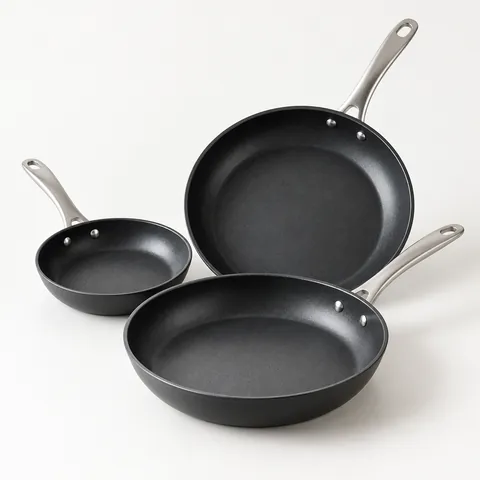 Induction nonstick pans
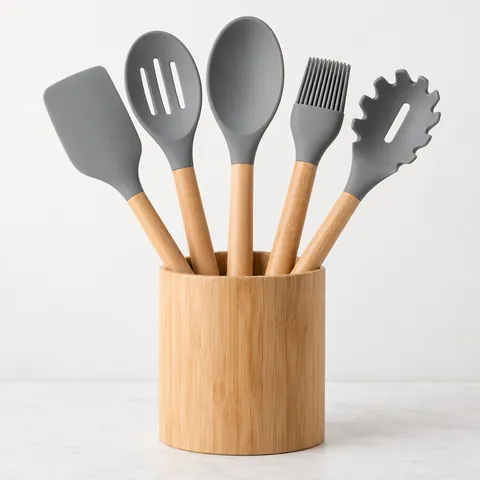 Silicone and wooden utensils
Do
- Cook on low to medium heat.
- Use soft utensils.
- Hand-wash when cool.
- Protect when stacking.
See utensils.
Don’t
- Preheat empty on high.
- Use aerosol sprays.
- Scrub with steel wool.
- Plunge a hot pan into cold water.
How should you break in a new nonstick pan?
Start by reading the maker’s care sheet, because oven limits, dishwasher guidance, and induction compatibility can differ even among pans that look similar. Before first use, wash the pan with warm water, mild dish soap, and a soft sponge to remove packing dust or residue. Dry it fully, including the rivets and the rim.
Some manufacturers suggest wiping a very thin film of cooking oil over the cooking surface before the first use. If your pan’s instructions say to do this, use only a small amount, then wipe away the excess with a paper towel. The surface should look lightly conditioned, not greasy.
- Remove labels and any cardboard or foam from the pan.
- Wash with mild soap and a non-abrasive sponge.
- Dry the pan completely before putting it on a burner.
- If the manual recommends it, lightly oil the cooking surface and wipe it nearly dry.
- Use the pan for a moderate-heat food first, such as eggs, pancakes, or vegetables, rather than searing meat.
Avoid using the first cook as a stress test. A brand-new nonstick pan still benefits from gentle handling. If you bought a pan mainly for delicate foods, reserve it for those jobs instead of making it your everyday high-heat skillet.
What heat setting is safe for a nonstick pan?
The safest burner setting is the lowest heat that cooks the food properly. For many stovetops, that means low for eggs and reheating, medium-low for pancakes and grilled sandwiches, and medium for vegetables or fish. High heat is usually unnecessary for a nonstick pan because the coating is designed for release, not hard searing.
Pan size matters. A small pan on an oversized burner can overheat the sidewalls and handle area. A large pan on a tiny burner can develop a hot spot in the center. Match the burner to the pan base as closely as you can, and center the pan before turning on the heat.
| Cooking task | Better heat range | Care note |
|---|---|---|
| Eggs and omelets | Low to medium-low | Let the pan warm gradually, then add butter or oil before the eggs. |
| Pancakes and crepes | Medium-low | If the first batch browns too fast, turn the heat down and wait a minute. |
| Fish fillets | Medium-low to medium | Use a thin layer of fat and avoid dragging the fillet across the surface. |
| Vegetables | Medium | Stir with a soft utensil instead of scraping the pan. |
| Steak or hard searing | Better in stainless steel or cast iron | Use another pan when you need very high heat and deep browning. |
If oil smokes quickly, butter browns almost immediately, or food scorches before it cooks through, the pan is too hot. Move it off the burner for a short cooldown rather than adding cold water. On induction, heat can rise especially fast, so step the power up gradually; if shopping for that type of stove, look for an induction-compatible nonstick pan with a flat magnetic base.
How do you clean stuck-on food without damaging the coating?
Most stuck food can be loosened without abrasive pads. Let the pan cool until it is safe to touch, then add warm water and a few drops of dish soap. Let it sit for several minutes, and use a soft sponge or dishcloth to lift the residue. For stubborn spots, a nylon brush made for cookware is usually gentler than a scouring pad.
For sugary sauces, melted cheese, or browned-on bits, put warm soapy water in the pan and let it soak longer. If the residue still clings, warm the water briefly on low heat, turn the burner off, and let the pan sit. Do not boil the pan dry. Once the food softens, wash normally and rinse well.
- Use baking soda as a mild paste only when the maker’s instructions allow it; rub lightly, not aggressively.
- Do not use oven cleaner, grill cleaner, or heavy-duty degreasers on a coated cooking surface.
- Avoid the rough side of many household sponges unless it is labeled safe for nonstick.
- Clean around rivets with a soft brush so old oil does not build up and turn sticky.
- Dry the pan before storage to reduce water spots and protect exposed metal edges.
Dishwasher detergent and high heat can be hard on some coatings, even when a pan is labeled dishwasher safe. Occasional dishwasher use may be allowed by the manufacturer, but hand-washing gives you more control and is gentler on the surface. If a pan comes out of the dishwasher with a chalky film or the release feels worse, switch back to hand-washing.
How should you store nonstick pans so they do not scratch?
Storage damage often happens when pans slide against each other. If you stack cookware, place a soft pan protector, towel, paper plate, or clean dishcloth between each piece. Make sure the underside of the pan above is not resting directly on the coated surface below.
Hanging works well if the hook supports the pan securely and the pan does not bang against other cookware. In a deep drawer, arrange pans so they do not shift every time the drawer opens. Lids can also scratch coatings, especially if a metal rim rubs the surface.
- Keep metal tongs, whisks, and knives out of the pan during cooking and storage.
- Use silicone or wooden utensils with smooth edges; replace any utensil that has sharp chips or rough seams.
- Do not cut pizza, quesadillas, or grilled sandwiches in the pan.
- Avoid nesting a heavy cast iron or stainless steel skillet inside a nonstick pan.
- Check that removable handles, if your pan has them, do not clamp onto or gouge the coating.
If cabinet space is tight, store the nonstick pan you use most often in the easiest spot. The less you have to drag it out from under heavier cookware, the fewer chances you have to scratch the surface. A single well-kept skillet can be more useful than a large set that is hard to store safely.
When is a nonstick pan worn out?
No nonstick surface lasts forever. Replace the pan when the coating is peeling, flaking, deeply scratched, or no longer releases food even after proper cleaning and moderate heat. Also replace a pan that has a warped base if it rocks on a flat cooktop or heats unevenly enough to burn food in one area.
Minor cosmetic marks do not always mean the pan is unsafe or useless, but they are a sign to be more careful. Raised scratches, loose coating, or exposed metal on the cooking surface are more serious than faint utensil marks. If food consistently sticks in the same damaged spot, the pan has moved past easy maintenance.
If you are replacing one, think about how you cook. PTFE-style coatings are known for easy release, while ceramic nonstick coatings are often chosen by buyers who prefer a different coating type; both still need gentle heat and soft utensils. You can compare a PTFE nonstick pan with a ceramic nonstick pan based on stovetop compatibility, oven limit, handle comfort, weight, and the maker’s care instructions.
Frequently asked questions
Can you put a nonstick pan in the dishwasher?
Check the manufacturer’s instructions first. Even if a pan is labeled dishwasher safe, hand-washing is usually gentler because dishwasher detergent, high heat, and contact with other items can dull the release over time.
Can you use olive oil or butter in a nonstick pan?
Yes, a small amount of oil or butter is fine and can improve browning and flavor. Use moderate heat and avoid letting oil smoke, because overheated fat can leave a sticky film that is hard to remove.
Is it okay to use metal utensils on a nonstick pan?
It is safer to avoid metal utensils unless the pan’s maker specifically allows them. Metal can nick or scrape the coating, especially at the edges, around rivets, or when you press down hard.
Can a nonstick pan go in the oven?
Some can, but the safe temperature depends on the pan, handle material, lid, and coating. Look up the exact oven limit for your model, and remember that broilers are often too intense for nonstick cookware.
Why is my nonstick pan sticky after washing?
A sticky feel usually comes from cooked-on oil, cooking spray residue, or detergent film. Wash with warm soapy water and a soft sponge, rinse thoroughly, and dry well; if the surface remains tacky or food keeps sticking, the coating may be worn.
Disclosure: As an Amazon Associate I earn from qualifying purchases. This site may earn a commission when you buy through its links, at no extra cost to you. Product details come from public manufacturer information; always check the merchant page for current specifications and prices. We have not hands-on tested the products described here.